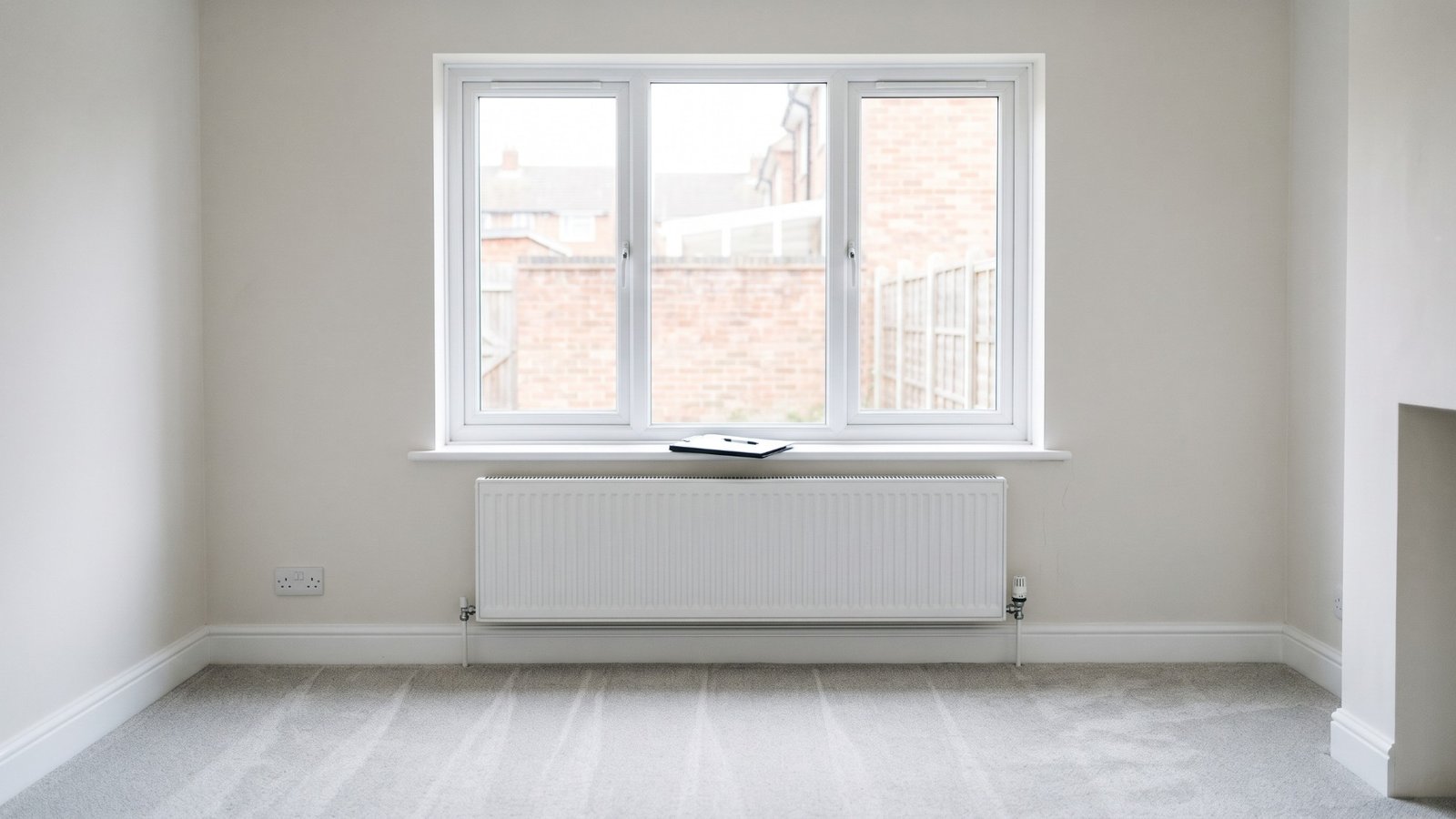
Most deposit arguments in Dunstable don't start on moving day. They start a day or two later, when the letting agent or an inventory clerk walks through the empty property with the check-in report in one hand and a camera in the other. If you're booking end of tenancy cleaning in Dunstable, or doing the clean yourself, it helps to know what that person actually looks at, and in what order.
This guide follows a typical check-out inspection room by room. It's written for tenants, landlords and agents with properties in LU5 and LU6, and it covers private tenancies in England.
What the check-out inspection is for
The check-out records the condition of the property so it can be compared with the check-in inventory. The person doing it isn't deciding whether the house is clean in general. They're asking whether it's less clean than it was when the tenancy began.
That comparison matters because of how deposits work. The Deposit Protection Service (DPS) says the deposit remains the tenant's money until the landlord proves a claim to part of it. If a dispute goes to one of the free dispute resolution services, the adjudicator decides on the evidence both sides send in: the signed check-in and check-out reports, the tenancy agreement, date-stamped photos and any emails between landlord and tenant.
Whatever the clerk writes down, and whatever their photos show, becomes that evidence. A line such as "oven: heavy grease, not as check-in" is how a deduction starts.
Before anyone goes inside
A check-out often starts at the front door. The clerk notes the keys handed back, the meter readings and whether the property is empty. Anything left behind, from a bag of rubbish by the back door to a box in the loft, can be charged as removal, and it also gets in the way of the clean.
For whoever is cleaning, that means one rule: clean after everything is out. Boxes carried through a freshly cleaned hall leave scuffs on the walls and grit on the carpet, and the clerk records what they see on the day.
The kitchen, where most cleaning claims start
Cleaning is the most common reason landlords give when they claim from a deposit. DPS figures for 2025 put it at 29.37% of claims, ahead of damage and rent arrears. When we're called in after a check-out has gone badly, the kitchen is nearly always on the report.
In the kitchen a clerk will usually check:
- the oven door glass, the racks, the trays and the inside walls
- the grill pan and the extractor hood, including the filter
- the hob, around the rings and the control knobs
- the fridge and freezer, including the door seals and the drawers
- every cupboard and drawer, inside and on top
- the washing machine drawer and the rubber door seal
- the sink, the plughole and the taps
If the inventory says the oven was clean at check-in, a greasy oven is the easiest cleaning claim a landlord can make. It's also the job most tenants leave until last and then run out of time for.
Bathrooms and Dunstable's hard water
Dunstable's tap water comes from Affinity Water and it is very hard. The 2025 average for the Dunstable supply zone was 310 mg/l, according to Affinity Water figures published by Tap Water Data, and Houghton Regis is much the same.
Hard water leaves limescale quickly, and limescale is usually the first thing a clerk spots in a bathroom. They look at:
- the taps, especially around the base
- the shower head, screen and tray
- plugholes and overflows in the bath and basin
- the toilet bowl, under the rim and around the base
- grout and silicone, where mould shows as black spots
- the extractor fan cover
A quick wipe won't shift any of this. Limescale needs a descaler and time to work, and a shower screen that looks fine while it's wet will show every mark once it dries. If the check-in photos show a clear screen, it needs to be clear again.
Bedrooms, living areas and the bits in between
In the other rooms the clerk is checking the details people stop noticing after a few months:
- skirting boards, door frames and the tops of doors
- light switches and sockets
- windows, sills and the tracks of uPVC frames
- radiators, including the gaps between the panels
- inside wardrobes and built-in cupboards
- carpets, especially where the bed and sofa stood
- marks on walls, and Blu Tack or nail holes, which usually count as damage rather than cleaning
Carpets need a bit of judgement. Fair wear and tear can't be charged for, so a hallway carpet that has flattened over three years is normal. A stain that isn't on the check-in report is a different matter. Our guide to who pays for end of tenancy cleaning explains what a landlord can and can't require of you.
Outside, for houses
If you're renting a house with a garden, the inspection usually goes outside too. The clerk will look at the bins, the state of the garden against the check-in report, and any shed or garage. Gardening isn't part of a cleaning job, so check what the inventory lists and plan for it separately.
How to prepare, whoever does the clean
- Get the check-in inventory before you start, and clean to it room by room.
- Ask the agent when the check-out is booked, and arrange the clean as close to it as you can once the property is empty.
- Start descaling the bathroom early, because in water this hard it's slow work.
- Give the oven a proper slot of its own rather than the last hour of the day.
- Defrost the freezer, and leave the fridge door ajar if the power will be switched off.
- Take dated photos of every room, inside the oven and fridge, and the bathroom when you finish. Keep them until the deposit is back.
What a Dunstable check-out usually covers
- Inside the oven, the grill pan and the extractor filter
- Fridge, freezer and door seals
- Inside every cupboard and drawer
- Limescale on taps, shower screens and plugholes
- Under the toilet rim and around its base
- Skirting boards, switches and door frames
- Window sills and frame tracks
- Carpets and floors, compared with the check-in photos
For landlords and letting agents in Dunstable
Between tenancies the deadline is the next move-in date rather than the deposit. We work from the check-in inventory if you can send it, and we can collect keys from your office, send photos of each room once we've finished and invoice the landlord directly. If the check-out report has already flagged something, send it over and we'll add it to the job.
For tenants, the choice of cleaner is yours. Under the Tenant Fees Act a landlord or agent can't make you pay for a professional clean or use a particular company. You can see what our end of tenancy cleaning includes, or read about the areas we cover on our Dunstable cleaners page. For the full room-by-room list, see our end of tenancy cleaning checklist.
Check-Out Coming Up in Dunstable?
We carry out end of tenancy cleans across Dunstable, Houghton Regis and the villages nearby, for tenants, landlords and letting agents. Tell us the property size and the check-out date and we'll give you a free quote.
Every Dunstable check-out comes down to the same comparison: the property on the day against the check-in report. If you clean to that report and keep your own dated photos, there is very little left for the clerk to write down.